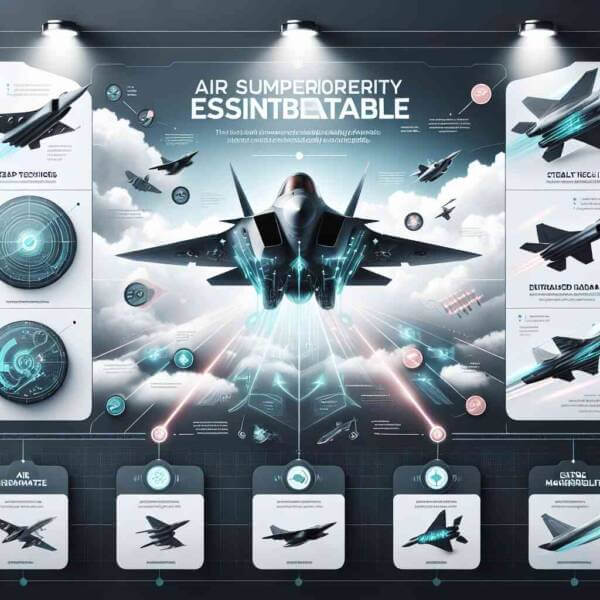
Military aviation is a cornerstone of modern defense strategies around the world.
Nations invest heavily in military aviation to maintain superiority.
How Military Aviation Began
Military aviation started during World War I, with aircraft initially used for observation.
Important events in the evolution of military aviation:
- The introduction of fighter planes and bombers
- Creation of long-range bombers and jets
- Emergence of strategic bombers and nuclear deterrence
- Remote operations changing the face of conflict
Each era brought innovative strategies that pushed the limits.
Types of Military Aircraft
Military aviation includes a variety of aircraft, each designed for specific missions.
Types of planes used in military aviation:
- Aircraft designed for air-to-air combat
- Bombers
- Transport aircraft
- Reconnaissance and surveillance drones
Each type plays a key part in military operations, from supporting ground forces.
Why Control of the Skies Matters
Air superiority is essential for achieving military success.
Benefits of air superiority include:
- Reducing enemy effectiveness
- Targeting infrastructure and logistics
- Surveillance and reconnaissance missions
- Psychological impact on enemy forces
Nations with strong military aviation capabilities can defend their interests more effectively.
Advancements Shaping the Future
Constant research and development open new possibilities for future warfare.
Cutting-edge developments:
- Low-visibility planes
- Missiles and aircraft traveling at speeds greater than Mach 5
- Unmanned aircraft operating independently
- New forms of aerial weaponry
These advancements expand mission possibilities for air forces worldwide.
Challenges in Military Aviation
Despite technological superiority, military aviation faces numerous challenges.
Pressing issues in military aviation:
- Expensive research and operations
- Short life cycles for cutting-edge aircraft
- Cybersecurity threats
- Questions about accountability and control
Addressing these challenges is necessary for effective defense strategies.
Future of Military Aviation
The visit this website future of military aviation promises radical innovations.
Likely developments:
- Autonomous mission planning
- Space as the next battlefield
- Developing sustainable aviation technology
- Joint defense projects
The next era of military aviation will shape the future of global security.
The Enduring Power of Military Air Forces
Its history, present achievements, and future possibilities highlight human ingenuity.
As technology continues to evolve, the skies will remain a vital domain where military aviation safeguards freedoms.
The future of military aviation is full of potential — and it’s only just beginning.